
ِ 20-Year Anniversary Film Across Borders
A 20-year anniversary is not just a milestone. It is a chance to look back with precision, and forward with intention. When the Energy Community marked two decades of work supporting regional cooperation, market integration, and institutional alignment, the objective was clear: create a film that is more than celebratory. A short documentary that feels human, credible, and forward-looking, while remaining grounded in what has been built over twenty years.
This post is a behind-the-scenes look at how we co-produced the Energy Community anniversary film, from concept to delivery, and what it took to execute a cross-border production with limited time, real stakeholders, and high expectations.
The brief: clarity, credibility, and warmth
From the start, the film needed to do three things at once:
Summarize 20 years of institutional work without becoming a corporate timeline
Make complex policy and energy governance accessible
Feel modern, warm, and cohesive, reflecting a community that is dynamic, not bureaucratic
This is always the central tension in institutional storytelling: the work is technical, but the story must remain human. We anchored the narrative in people, not paperwork.
Co-production approach: one vision, multiple realities
Co-production, in practice, means aligning on three layers simultaneously:
Editorial vision: what the film should feel like
Messaging discipline: what must be said clearly, accurately, and safely
Operational reality: schedules, travel windows, availability of decision-makers, and the unpredictable nature of filming “real life”
The biggest advantage of co-production was speed and alignment: decisions could be made quickly when the creative logic and institutional needs were clearly mapped.
Script and structure: building a 10-minute story that moves
The structure was designed to flow like a journey rather than a report. Instead of “year-by-year achievements,” we built the film around a simple arc:
We were also careful about pacing: a 10-minute film does not forgive long explanations. Every line had to earn its place, and every sequence had to push the viewer forward.
Interviews: the backbone of authority
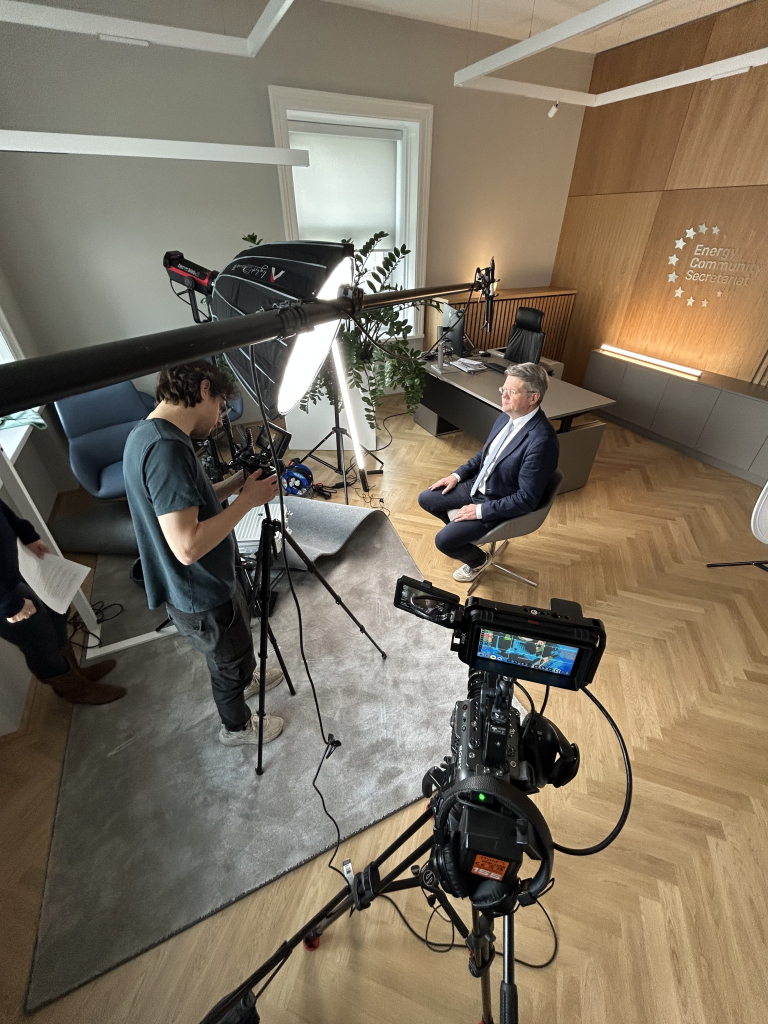
The interviews carried the credibility of the film. We focused on capturing:
A clear institutional voice from the leadership
The European Commission perspective to anchor the policy relevance
Stakeholder viewpoints from the region to ground the story in reality
Interview filming is often underestimated. The technical setup is the easy part. The hard part is creating conditions where a speaker can be authentic, precise, and comfortable enough to speak beyond prepared lines.
That required thoughtful pre-interview preparation, calm set etiquette, and a respectful approach to time.
Production logistics: filming across borders with minimal slack

Cross-border filming is rarely complicated because of cameras. It is complicated because of:
We planned lean on purpose: fewer moving parts, fewer dependencies, and faster mobility. That also meant longer days and higher pressure on the crew to deliver consistent results without the safety net of time.
The creative challenge: making policy feel cinematic
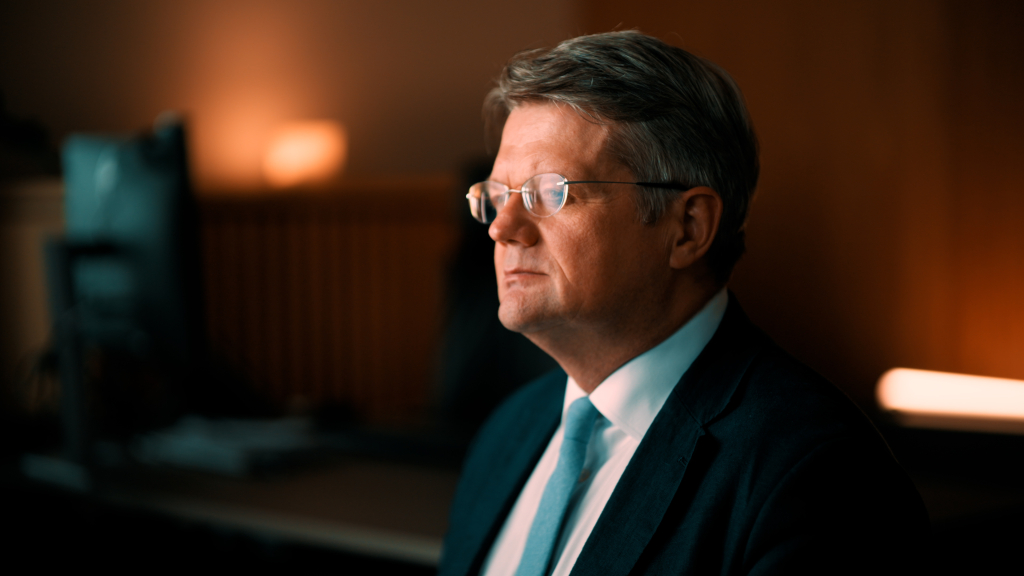
One of the biggest creative questions was: how do you make an institutional anniversary film visually compelling?
Our solution combined three strategies:
Human-led storytelling: let people carry the emotion and clarity
Purposeful visuals: shoot details, environments, movement, and contextual imagery that supports the narrative
Measured graphic language: when needed, use visuals to clarify rather than decorate
We avoided overproducing. The film needed to feel current and professional, not glossy at the expense of authenticity.
Post-production: where the film becomes one voice
Post-production is where the co-production relationship is tested the most. It is where:
messaging choices become final
pacing decisions become non-negotiable
the film either feels cohesive or fragmented
The editorial goal was a single voice: consistent tone, consistent rhythm, and a coherent narrative that respects institutional nuance without losing the audience.
Key post steps included:
editorial assembly with narrative logic first
refining interview selects for clarity and integrity
tightening timing to land at the intended duration
balancing audio, ensuring speech intelligibility throughout
color correction for visual consistency across locations
final mastering and delivery formats as required
done by FilmKham
What was hardest (and most valuable)
The hardest part was not any single shoot day. It was maintaining coherence while everything around the film moved: schedules, travel realities, availability, and the constant pressure to deliver a film that satisfies institutional standards while still feeling human.
The most valuable part was seeing how a complex, multi-stakeholder story can become accessible when you prioritize narrative discipline and keep the production focused.
Final reflection
This film is a snapshot of 20 years, but it is also a statement about what comes next: cooperation is not a slogan. It is work. It is relationships. It is resilience when conditions shift.
Co-producing this anniversary film was a reminder that the best institutional films do not attempt to “say everything.” They say the right things clearly, and they let the viewer feel the meaning behind the milestone.
If you are interested in collaboration on institutional storytelling, documentary-driven public communication, or anniversary and impact films, you can reach out through El3ttar Films.
Year
2025
Director
Gamaal El Attar
Writers
Erëza Vela